Best Battery Powered Generators for RV Adventures
For RV owners, reliable, quiet, and portable power is essential. Battery-powered generators, also known as solar generators or portable power stations, offer clean energy with no fumes and minimal noise. This guide highlights five top options that balance capacity, recharging speed, and practical features for RV use. Each product is evaluated for RV readiness, including running essentials, speed of recharge, and overall versatility.
| Product | Brand | Capacity | AC Output | Weight | Notes |
|---|---|---|---|---|---|
| Jackery Explorer 1000 v2 | Jackery | 1070Wh | 1500W | 23.8 lbs | Fast charging, LFP durability |
| Jackery HomePower 3000 | Jackery | 3072Wh | 3600W | ~ | UPS capability, home backup |
| BLUETTI AC200L | BLUETTI | 2048Wh (expandable to 8192Wh) | 2400W | ~ | Expandable with multiple batteries |
| EF ECOFLOW Delta 2 | EF ECOFLOW | 1024Wh | 1800W | ~ | Fast charging, expandable up to 3kWh |
| Anker SOLIX F2000 | Anker | PowerHouse 767/2400W | 2400W | ~ | Long lifespan, rapid recharge |
Jackery Explorer 1000 v2 Portable Power Station

The Jackery Explorer 1000 v2 combines a 1,070Wh LiFePO4 battery with a robust 1,500W continuous AC output and a 3,000W surge, capable of running air conditioners, small refrigerators, or kitchen appliances in an RV. Weighing around 23.8 pounds, its compact form factor includes a foldable handle for easy transport. The unit supports a rapid one-hour charge with emergency mode via the Jackery App, helping you top up quickly during trips. Its modern LiFePO4 chemistry is designed for longevity, with a stated lifespan exceeding 10 years and high cycle stability.
Jackery HomePower 3000 Portable Power Station

The HomePower 3000 is designed for home backup scenarios alongside RV use, delivering a substantial 3,600W continuous output (7,200W surge) and a 3,072Wh LiFePO4 battery. It provides reliable transition during outages with a UL-certified UPS that switches within 20 milliseconds, keeping essential devices like routers, cameras, and medical equipment powered. This model is positioned as a robust, all-purpose backup solution for households or RV setups that demand high-power support during emergencies.
BLUETTI AC200L Portable Power Station

BLUETTI AC200L offers 2,048Wh of LiFePO4 power with expandable capacity up to 8,192Wh through additional B-series modules. It outputs up to 2,400W continuously and supports solar input, AC input, and expandable battery packs. The system is designed for versatile RV use, camping, and home backup, with relatively fast recharge times and strong safety features. Its expandability makes it a popular choice for longer trips or larger power draws.
EF ECOFLOW Delta 2 Portable Power Station

Delta 2 offers a 1,024Wh LiFePO4 battery and 1,800W continuous AC output, making it suitable for RVs and camping setups that require reliable performance with lower weight. Its 7x faster charging claim helps when you need to top up quickly, and the ability to expand up to 3,000Wh with optional add-ons adds flexibility for longer trips or higher demand periods. It’s a strong all-around option for users prioritizing speed and reliability.
Anker SOLIX F2000 Portable Power Station
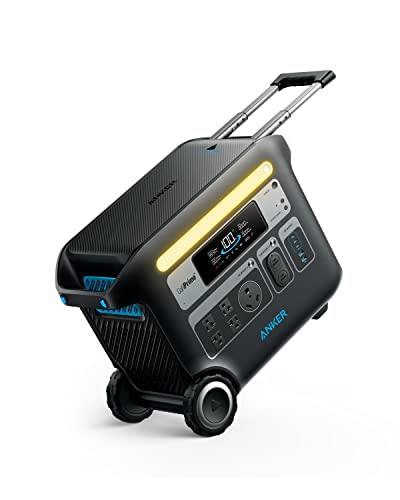
The Anker SOLIX F2000 is built around the PowerHouse 767 platform with a 2,400W output and a suite of outlets to power multiple devices at once. It emphasizes longevity, with InfiniPower technology promising a lifespan beyond a decade. Rapid recharge is achievable through HyperFlash, capable of bringing the unit from 0 to 80% in about 1.4 hours. The device supports powering heavy-duty devices via multiple AC ports, USB-C, USB-A, and car outlets, making it a versatile choice for RVs that run on a shared power budget.
Buying Guide
- Capacity and power needs: Estimate the total watt-hours you’ll require daily, including peak loads from air conditioning, fridges, and cooking devices. For RV use, aim for 1,000–3,000Wh with an ample surge capacity to cover startup spikes.
- Battery chemistry and lifespan: LiFePO4 (LFP) chemistry offers longer cycle life and stability in outdoor conditions, translating to longer service life for RV adventures and emergencies.
- Output options: Look for multiple AC outlets, USB-C PD, USB-A, and 12V DC options. A model with RV-specific ports or high-wraw performance is beneficial for converters and appliances commonly used in RVs.
- Recharge speed and methods: Fast AC charging, solar input compatibility, and car charging support reduce downtime. Consider models with 0–80% in under an hour or 1–2 hour full charges when possible.
- Expandability: Some systems allow adding battery modules to scale capacity for longer trips, which is valuable for full-time RV use or extended camping.
- Portability vs. capacity trade-off: Heavier, higher-capacity units often deliver longer runtime but require more handling. Balance weight with the ease of installation and transport.
- Safety and warranties: Look for built-in protection features (short-circuit, overcharge, temperature, and UPS options) and a warranty horizon that supports long-term ownership.
- Tax incentives and energy credits: In some regions, certain solar-powered setups may qualify for tax credits or utility credits. Check local programs and eligibility.